
This Page Contains 4 Weeks Data - Click Here For This Week
Wisconsin Workforce Housing News

This Weeks Articles for 8/10/2026 ...
- WHEDA Legislative Loan Program...
- Making affordable housing more affordable to build...
- The Blue Building To Become Housing...
- Council Advances TID #12 And Three TID Expansions ...
- Beaver Dam looks at new strategies to meet housing needs...
- Application process for new Riverside Drive apartment project to begin soon ...
- Beloit approves $1 land sale for affordable homes...
- ENC (Everyone Needs a Community) moves forward on community housing vision...
- New food innovation center breaks ground in Green Bay ...
Community Updates, News Stories, Best Practices, Resources, and other data supporting the development of affordable housing for the citizens of Wisconsin in every city and region in the State. Please consider partnering with us and sharing your story

Tom Still: Housing, schools and grocery stores key to building a stronger rural Wisconsin
 WOODRUFF, Wis. – Bill Sennholz doesn’t resemble the late Jimmy Stewart, who ran the fictional Bailey Bros. Building and Loan Association in the 1946 film classic, “It’s a Wonderful Life.” Nor is the Forward Bank chain led by Sennholz in northern Wisconsin on the cusp of bankruptcy like George Bailey’s beleaguered lender.
In fact, it’s the opposite for Forward Bank and its 15 locations because – a bit like Stewart’s movie character – Sennholz and team understand that investing wisely in the future of small towns and rural communities can pay back over time.
Ken Notes: Rural housing may be a larger problem than urban issues. We need to look at the new tools from Wisconsin to address this issue. We also need vision and leadership to use these tools effectively.
WHEDA Legislative Loan Program
 La Crosse - 8.10.2026 - Each year WHEDA offers a series of loans for housing development in the State. The links in this article will take you to the “Spring Programs” which have concluded -- but fear not a Fall Program is pending and WWHNews.com will make the links to the new programs available in a future issue. This data will give you a headstart for the next round of funding. We will also publish the winners for this round soon and I encourage you to take a look at the winning applications to get ideas for your community moving forward. For assistance, please contact Rebecca Giroux, Community and Economic Development Officer for WHEDA.... ...Full Story Here
Ken Notes: More details at the link...
Housing Bills from Wisconsin
MADISON — Wisconsin's 2025–2026 legislative session ended with the most significant package of housing legislation since the 2023 workforce housing loan programs. On March 17 — the final day of the regular session — the Senate passed a slate of bipartisan housing bills, and Gov. Tony Evers signed them into law on April 8, 2026.Ken Notes: Leo and I put this together, feel free to reprint and share. Leo and I are also looking present these laws with some conceptual ideas for their use to your board or council.
Controversial Bay View Affordable Housing Sails Though Council
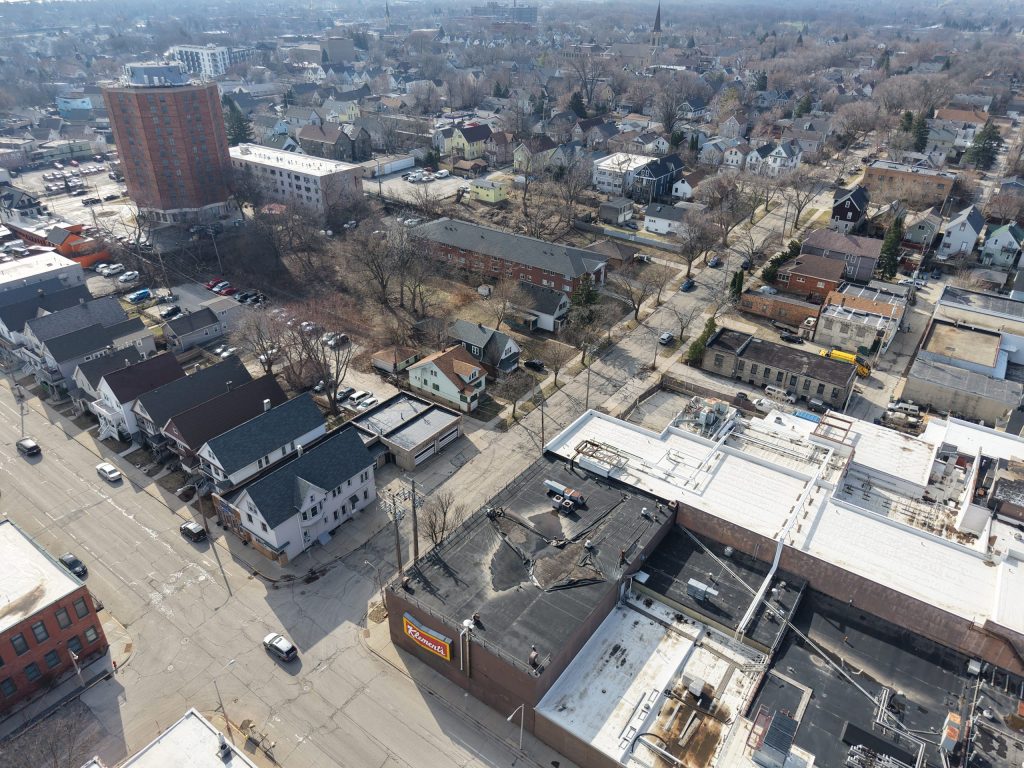 The once high-stakes approval of a proposed affordable housing development ended without any debate Tuesday.
The approval provides an essential piece of financing for the $33.4 million development, which would replace three vacant homes just south of E. Lincoln Avenue on S. Austin Street.
Austin Commons would be developed by a partnership of Northernstar Companies, led by Brandon Methu, and The Commonwealth Companies. The five-story building would include a mix of one-, two- and three-bedroom apartments reserved for households earning between 30% and 80% of the area median income...
Leo's notes: Austin Commons illustrates the balancing act many Wisconsin communities face as they work to expand affordable housing. Neighborhood concerns about scale, parking, and design are important parts of the public process, but the project's approval reflects a broader recognition that addressing housing shortages requires difficult decisions and long-term investment.
Washington County housing initiative brings back young homeowners
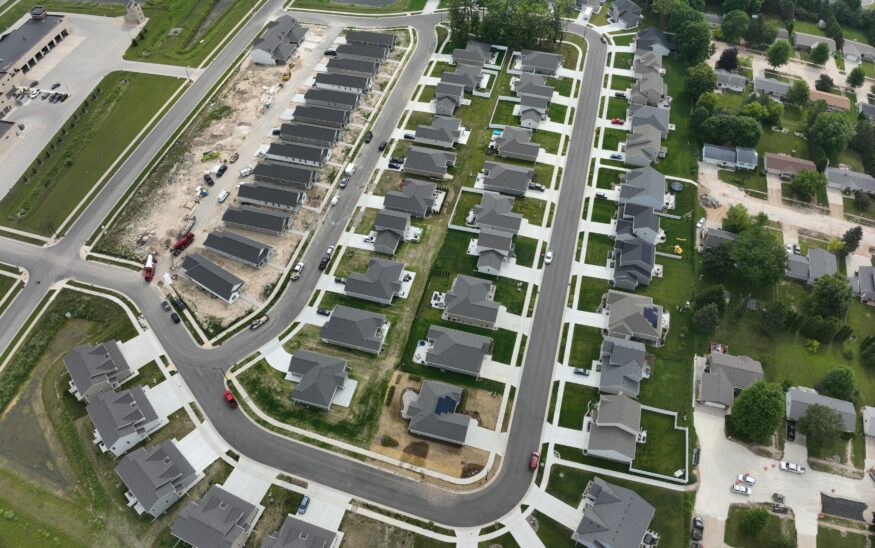
County Executive Josh Schoemann said he’s seen his community struggle for years with retaining younger generations, primarily because the cost of housing has crept up to the point that looking elsewhere for a home makes financial sense. Even before the COVID-19 pandemic, when Schoemann was Hartford School Board president, he saw it happening.
“Even back then the cost of owning a home, or even renting, was pretty high at that point,” he said. “And now, of course, it’s exponentially higher, and so I kind of look at all the different things that impact why somebody would live here, move here, stay here, and it’s housing, and transportation, and childcare costs and things like that. But really, Maslow’s Hierarchy of Needs, kind of that baseline shelter, is the first real need.”
For the past few years, Washington County has been focusing on the problem by subsidizing, primarily with American Rescue Plan Act dollars, Next Generation Housing projects and help with down payments through the Heart and Homestead program, which provides up to $20,000 in assistance...
Leo's notes: Washington County’s Next Generation Housing initiative demonstrates that workforce housing extends beyond rentals to creating attainable paths to homeownership for young workers and families. By combining lower-cost homes, down payment assistance, and public-private partnerships, the county is helping the next generation live where they work. Expanding attainable ownership opportunities continues to be a powerful workforce development strategy.
Ken Notes: This may be a model to keep on your radar screen. Imagine a community working together to retain and attract a younger workforce. Also consider the attractiveness of this to new businesses looking to grow or locate in Wisconsin.
The Blue Building To Become Housing

A $73.6 million plan to convert half of one of downtown Milwaukee’s largest office buildings into apartments is poised to receive a city subsidy.
The Department of City Development is proposing to create a new tax incremental financing (TIF) district to provide $6.44 million toward converting the east tower of 310W, 310 W. Wisconsin Ave., into 220 apartments.
The largely vacant office space would be replaced with a mix of studio, one-, two- and three-bedroom apartments. In exchange for the subsidy, 50 of the units would be set aside as workforce housing for households earning between 70% and 90% of the Milwaukee area median income...
Leo's notes: Strategically repurposing obsolete commercial space can simultaneously add housing, strengthen the tax base, and bring residents closer to jobs and existing infrastructure. The inclusion of workforce units is particularly important—ensuring public investment produces not just more downtown housing, but housing accessible to a broader range of working households...
Making affordable housing more affordable to build
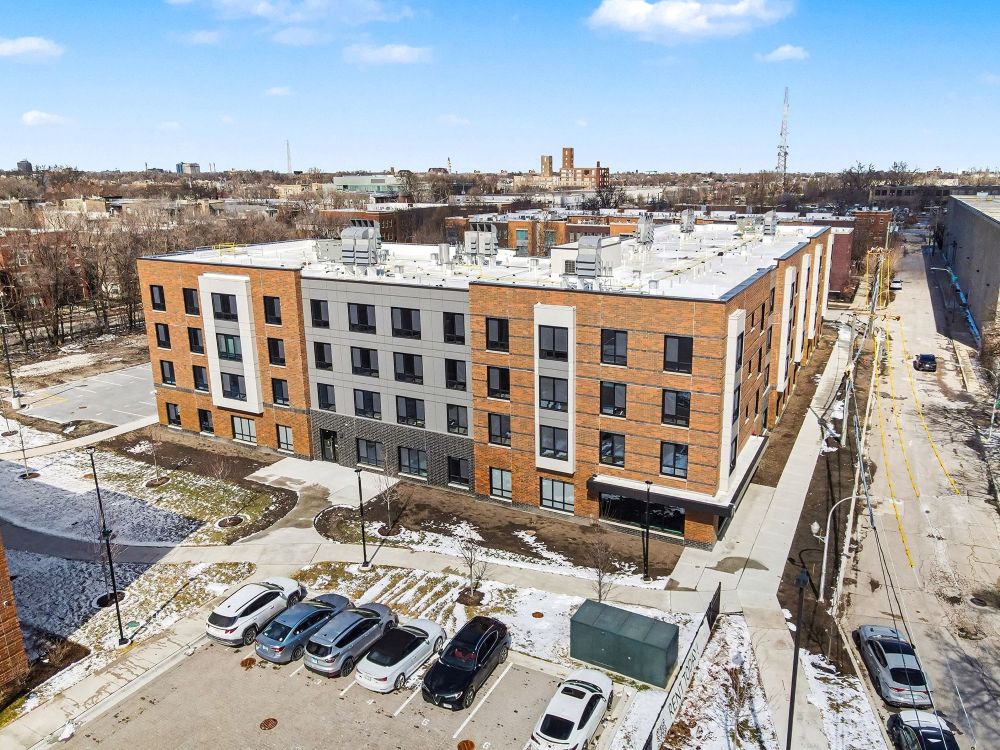
Communities across the country are working to address a growing shortage of affordable housing, yet bringing these developments to life continues to present challenges. Rising construction costs, labor shortages, higher interest rates and more complex financing structures make projects more challenging to deliver than in years past.
While owners and developers can’t control many of the market forces affecting affordable housing, they can influence how projects are planned and delivered. In our experience, the most successful developments become affordable because project teams make smarter decisions before construction ever begins...
...One of the biggest misconceptions about affordable housing is that cost savings come from bidding and value engineering in the later stages of the design process. In reality, the greatest savings often come from bringing the construction team to the table much earlier...
...Full Story Here
Leo’s notes: As construction costs, labor shortages and financing pressures challenge workforce housing feasibility, this article brings forward the importance of decisions made before construction begins. Early collaboration, strategic procurement and thoughtful standardization can stretch limited housing dollars without sacrificing quality. Affordability should not mean building cheaper—it should mean designing and delivering housing more intelligently.
Ken notes: In my very first version of Wisconsin Workforce Housing News, now more than four years ago, I suggested that in order to build more affordable housing for working Wisconsin we would have to bring developers, contractors, planners, Architects, manufacturers, and elected officials all to the same table. Without this joint unified effort we will never be able to develop truly market rate affordable housing.
LIBRE Initiative pushing for loosened restrictions on housing development in WI

A national group called the LIBRE Initiative is calling for loosening regulations on housing development in Wisconsin to improve affordability, with a focus on the state’s Hispanic community.
Roel Sanchez, the grassroots engagement director for the group in Wisconsin and a former real estate agent, said “we are in one of the worst times” for housing availability given the limited number of homes available in the state and strong demand.
In a recent interview on the organization’s policy goals, he argued the state’s Hispanic residents are among the most impacted by these challenges.
“With the limited access to properties available on the market and the amount of buyers that are actually still on the market, the people that are getting affected the most are more of the individuals like our Hispanic community,” Sanchez said.
...Full Story Here
Ken Notes: Leo and I have been talking about a more local (Wisconsin) based housing advocacy group representing the dozens of groups now advocating for Wisconsin Housing. With the new State statues allowing for TIF and requiring housing density to be addressed in comp plans it seems to make sense to help communities navigate the waters ahead. If this makes sense to you give us a call...
'A great thing for the neighborhood': Inside plans to redevelop The Grand
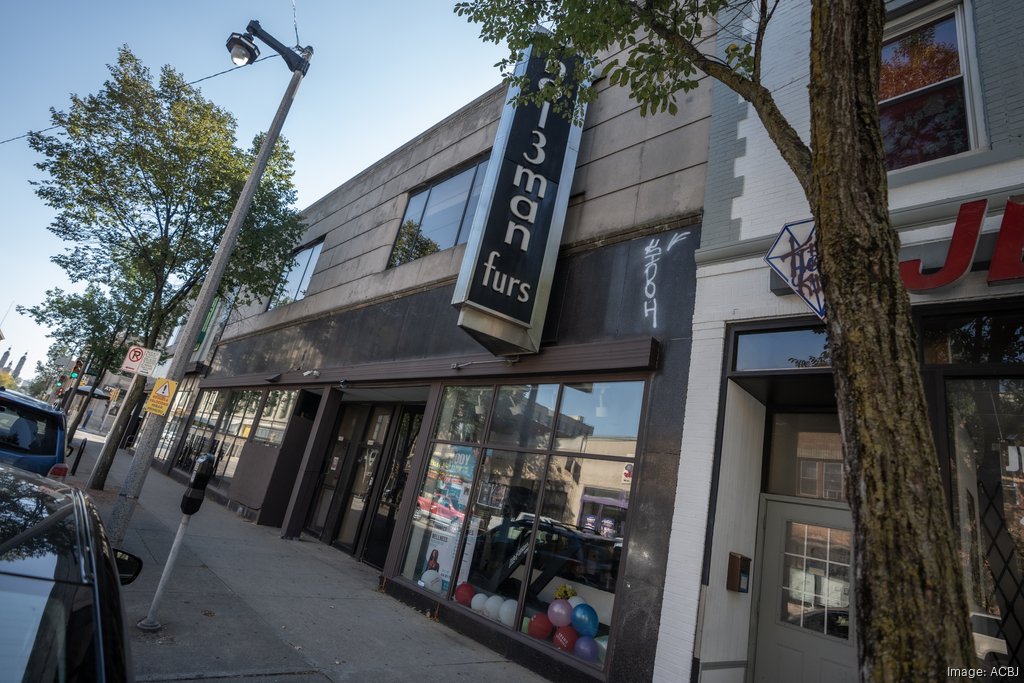 MILWAUKEE - After going back to the drawing board, a real estate developer has a new
plan to redevelop a former department store building on Historic
Mitchell Street as apartments. If the project moves forward, it could be
just the start for the property's next chapter. ...Full Story Here
MILWAUKEE - After going back to the drawing board, a real estate developer has a new
plan to redevelop a former department store building on Historic
Mitchell Street as apartments. If the project moves forward, it could be
just the start for the property's next chapter. ...Full Story HereLeo's notes: Combining workforce housing with essential community services creates a stronger mixed-use destination that supports both residents and local businesses. As construction costs and financing challenges continue to reshape development across Wisconsin, phased redevelopment and adaptive reuse are proving to be practical strategies that preserve historic assets, expand housing opportunities, and strengthen neighborhood commercial corridors without requiring large-scale greenfield development.
McShane Construction, Lincoln Avenue Communities Underway on Affordable Housing Development in Madison, Wisconsin
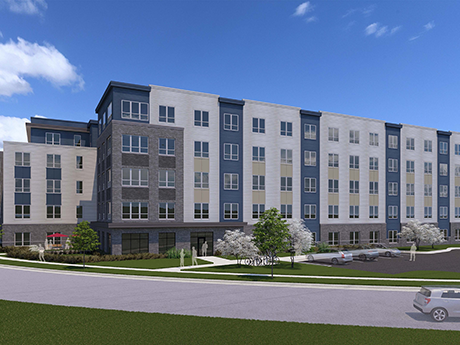
Leo's notes: Madison’s Timberline Terrace will deliver 93 affordable homes, including units reserved for households experiencing homelessness, demonstrating how workforce housing can serve a broad spectrum of community needs. By combining income-restricted housing with supportive amenities and long-term affordability, the project reflects a growing emphasis on housing stability as the foundation for economic and community resilience.
Ken Notes: This is beginning to address our "We need to build neighborhoods" concept. We also need affordable market rate units and even upscale units as part of a comprehensive solution. We also need amenities like childcare, health care, sports fields courts and facilities, restaurants, and more...
Gov. Evers, WEDC Announce $229 Million in Wisconsin Investments for FY2026

MADISON — Gov. Tony Evers and the Wisconsin Economic Development Corporation (WEDC) announced Thursday that the agency invested $229 million in projects across 67 of Wisconsin’s 72 counties during fiscal year 2026, supporting businesses, nonprofits, housing, child care, workforce initiatives, downtown development, and economic growth throughout the state.
According to the governor’s office, the investments are intended to help communities recruit and retain workers, support entrepreneurs and startups, strengthen Main Streets, expand affordable housing and child care options, and promote Wisconsin businesses in global markets.
Gov. Evers said investments in businesses and communities help strengthen Wisconsin’s long-term economy by supporting workforce development, affordable housing, and business expansion...
...Full Story Here
Leo's notes: WEDC’s FY2026 investments reinforce that workforce housing is increasingly being treated as a cornerstone of Wisconsin’s economic development strategy rather than a standalone housing issue. By pairing housing investments with workforce, infrastructure, and business development initiatives, the state is recognizing that communities compete for talent by offering both quality jobs and attainable places to live. Coordinated investment across these sectors is becoming a defining strategy for long-term economic growth—a model to watch...
Housing Authority of the City of Milwaukee appoints new chief operations officer
MILWAUKEE — The Housing Authority of the City of Milwaukee (HACM) announced Friday in a release the appointment of Zena Farah as its new chief operations officer.
In her new role, Farah will lead HACM’s public housing, affordable housing and Housing Choice Voucher programs.
She will provide strategic oversight for housing operations, regulatory compliance and resident services and work on “advancing the agency’s mission to deliver high-quality, affordable housing opportunities throughout Milwaukee," according to the release...
...Full Story Here
Leo’s notes: The Housing Authority of the City of Milwaukee (HACM) has appointed Zena Farah as its new Chief Operations Officer, further strengthening the agency's executive leadership during a period of organizational transition. Bringing experienced operational leadership into organizations like HACM can improve project delivery, strengthen resident outcomes, and build public confidence in affordable housing investments...
New Habitat for Humanity house to be completed in Janesville
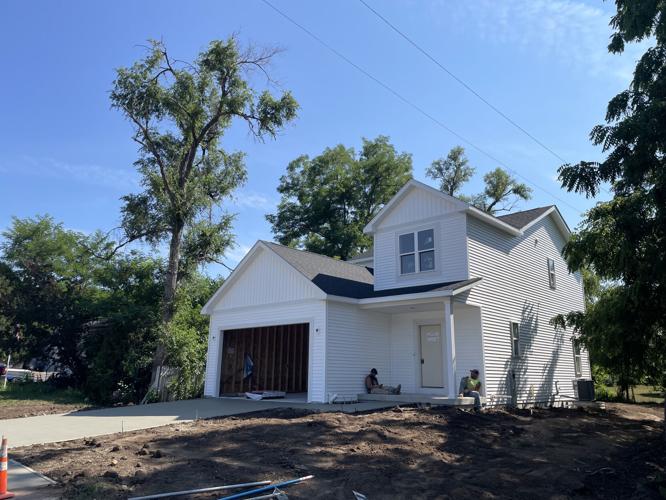
JANESVILLE — Habitat for Humanity of Waukesha, Jefferson and Rock counties will soon complete construction on one of four single-family homes built in Janesville this fiscal year. The organization’s expansion into Rock County comes alongside a shift in city policy that will allow nonprofits to apply for aid from the city’s affordable housing fund.
The first of the homes, located on S. Osborne Ave., is 1,421 square feet with three bedrooms and one and a half baths. The remaining three homes will also have 3 BR/1.5 BA, but will be located across the street from the Janesville Performing Arts Center downtown. Construction on those houses has not yet begun.
The expansion is part of the nonprofit’s strategic goal to build 20 new homes, engage three communities annually and complete 30 home repairs by 2033.
Melissa Songco, CEO of Habitat for Humanity Waukesha — Jefferson — Rock said the organization is well on its way to meeting this goal, with 19 new homes scheduled to be closed by the end of the fiscal year in June 2027...
...Full Story Here
Leo's notes: While a single home won’t solve Wisconsin’s housing shortage, these projects create lasting wealth-building opportunities and strengthen neighborhood stability. Expanding pathways to ownership remains an essential part of a balanced workforce housing strategy.
Ken Notes: We need to look at using a Habitat like model in conjunction with Wisconsin's new TIF statute to create new "neighborhoods" for smaller homes that support workforce housing.
Council Advances TID #12 And Three TID Expansions

The Common Council on Aug. 4 took the next step toward reshaping the city’s west side, recommending creation of a new Tax Incremental District – TID #12 – and expansion of three existing ones, TID #7, TID #9 and TID #10.
TID #12 would place six parcels totaling about 77 acres along Division Road, South Ridgeway Avenue and South Ridgeway Drive into a mixed-use district, financing infrastructure for 44 single-family lots, 11 duplexes and 34 storage units with optional living spaces. Thirty of the single-family lots on the Division Road portion are designated workforce housing.
In a separate motion, the council approved the final plat for that subdivision, developed by Jim Conard and Portside Builders...
...Full Story Here
Leo's notes: Sturgeon Bay’s proposed TID expansions would use infrastructure investment to unlock a diverse housing pipeline, including 30 workforce homes, duplexes and a 60-unit affordable development. The use of TIF can be particularly effective in helping to address the upfront infrastructure costs that often prevent attainable housing from penciling out.
Binkowskis to overhaul GEF buildings downtown

Madison-based developers Brad and Mark Binkowski plan to transform the state-owned General Executive Facility 2 building into apartments and demolish the next door GEF 3 building to accommodate additional housing on a 2.5-acre site on South Webster Street, according to an article in the Wisconsin State Journal.
The state is prepared to accept the $12.65 million offer by the father-and-son team, whose plans are still being finalized. They envision 300 to 400 apartments, some commercial space and a large open area between the buildings, the report said.
The Wisconsin Department of Administration put the two buildings up for sale as part of an Evers administration plan to consolidate state office spaces, in part because they have more than $200 million in combined deferred maintenance needs...
...Full Story Here
Ken Notes: This will be a challenging project, but perfect for expanding the downtown housing footprint.
Beaver Dam looks at new strategies to meet housing needs
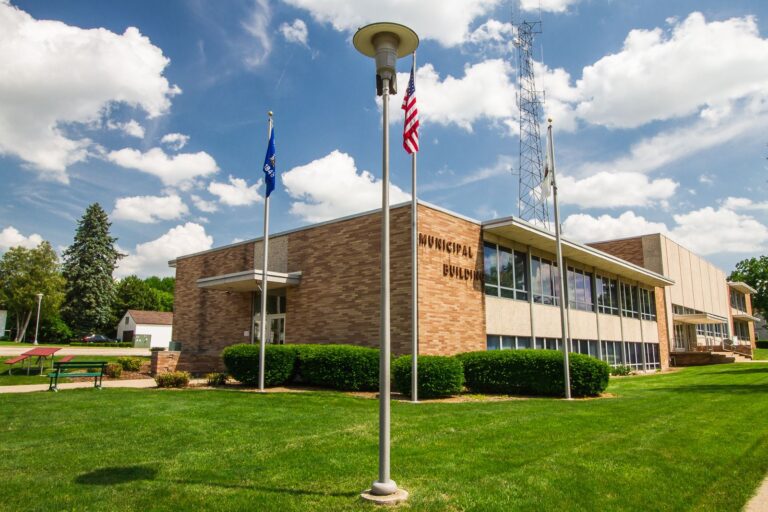
BEAVER DAM — Beaver Dam officials are exploring new ways to encourage housing development after hearing from a housing expert who said expanding housing choices is critical to supporting the city’s workforce and long-term growth.
Jolena Presti, a managing director with Baker Tilly’s development and community advisory practice, presented to the Beaver Dam Common Council Monday evening about trends communities are using to increase housing supply and remove barriers to development.
Presti said a recent market study identified four common housing challenges facing Beaver Dam. Rental housing remains limited, with many apartment properties nearly full, leaving few options for new residents. Employers report that the lack of available housing is making it harder to recruit and retain workers. The city also faces a shortage of workforce housing — homes affordable to middle-income households that are not subsidized — while much of its existing housing stock is older and will require continued reinvestment.
...Full Story Here
Leo's notes: Beaver Dam’s housing discussion reinforces that communities have more influence over workforce housing production than they may realize. While cities cannot control interest rates or construction costs, they can provide ready sites, predictable approvals, infrastructure and strong developer partnerships. In a competitive market, becoming easier to build can be an effective economic development strategy.
Wisconsin Workforce Housing Resources
 ...Full Story Here
 Wisconsin REALTORS® Association








Medical College of Wisconsin adding student housing for the first time in school’s history

Student housing will provide medical students with on-campus, affordable option
For the first time in its history, the Medical College of Wisconsin will have on-campus student housing.
The project broke ground Tuesday on the Wauwatosa campus, with college and city officials hoping it will ultimately help connect students with each other and the community.
The four-story, 266-unit building, dubbed Trailmark at MCW, will open on what was a surface parking lot at Watertown Plank Road and 87th Street in Spring 2028...
Leo's notes: The Medical College of Wisconsin’s investment in dedicated student housing reflects the growing connection between housing and workforce development in critical industries like health care. By improving housing access for future physicians, the project strengthens the talent pipeline while easing pressure on the surrounding rental market. Workforce housing isn’t just about today’s employees—it’s about supporting tomorrows essential workforce as well...
Madison approves hundreds of affordable apartments as deadline for federal funding looms

A recently approved project will bring 163 affordable units to the north side.
According to Briggs, "The timing of the developer’s request was crucial, as government funds used to assist the project were set to expire if the project was not approved by the end of this year, said Trevor Martinez, DevCo’s Midwest development manager."
The site in question is no longer in an eligible census tract as of this year due to federal changes. "The area around the former Oscar Mayer plant and Dane County Regional Airport on Madison’s north side has seen more affordable housing development than other places in recent years due in large part to the qualified census tract designation." Now, Trevor Martinez, development manager for developer DevCo, says the city will likely see fewer affordable housing projects in the area due to the loss of eligibility for federal tax credits...
Leo's notes: Madison’s approval of 163 affordable apartments ahead of a federal funding deadline highlights how timing can be just as important as financing in workforce housing development. With changes to federal tax credit eligibility reshaping where projects can be built, communities that act quickly and align local approvals with funding opportunities will be best positioned to expand housing supply.
Viroqua Housing Advisory Board plans next steps for tiny homes and accessory dwellings

VIROQUA Wis. – The Viroqua Housing Advisory Board is charting a new course to expand local residential options after successfully guiding its first major ordinances through the city council.
Sonya Newenhouse, who serves as the chair of the newer city committee, explained during their recent July 30 meeting that the board was formed about two and a half years ago. She noted the group was established to find proactive solutions for all types of residential pressures, rather than just focusing on affordable housing. The board recently welcomed two new members to its ranks, including Ward 1 Alderperson Seth McClurg, who brings 25 years of construction experience, and Amanda Hautanen, a registered nurse with a master’s degree in public health.
Tanja Birke, the other city council representative on the board, noted that the group has faced a long journey. Birke explained that the board began its work just as Viroqua was initiating its comprehensive planning process, which heavily influenced their early discussions...
...Full Story Here
Leo's notes: Viroqua’s continued exploration of tiny homes and accessory dwelling units reflects a growing recognition that expanding workforce housing requires a variety of housing types, not just large developments. By evaluating flexible, neighborhood-scale options, local leaders are building a more diverse housing toolkit that can improve affordability while preserving community character. Incremental housing solutions are becoming an increasingly important part of Wisconsin’s workforce housing strategy.
Ken Notes: Solving Wisconsin's workforce housing issues in like a large jigsaw puzzle and Tiny Homes and ADUs are just a few pieces but without them we will not have a complete picture.
Priority Capital Advisory Arranges $11.5M Refinancing of Former Hotel in Madison, Wisconsin
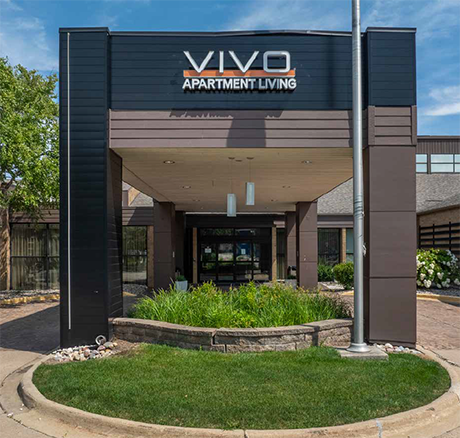 MADISON, WIS. — Priority Capital Advisory has arranged an $11.5 million
loan for the refinancing of Vivo Madison, a 153-unit property at 517
Grand Canyon Drive in Madison. The borrower is a joint venture between
REALM and OTR Real Estate. The partners acquired Vivo in April 2023, at
which time the property was a Radisson Hotel. OTR specializes in the
conversion of hospitality assets to multifamily. Since 2023, the owners
have added kitchenettes to all the units and built out the amenity
spaces. Vivo received its certificate of occupancy in January 2026 and
is currently 56 percent leased. The community is comprised of 147 studio
units and six one-bedroom units. Each unit features a full kitchenette
with an electric range, microwave, refrigerator, air conditioning,
Wi-Fi, cable ports and all utilities included for a flat monthly
surcharge. Amenities include a clubhouse, indoor pool, fitness center,
game room, coworking space, laundry facilities and outdoor lounge areas.
The two-story asset is situated on approximately 4.5 acres adjacent to
University Research Park, a 1.8-million-square-foot life sciences and
technology corporate campus. ...Full Story Here
MADISON, WIS. — Priority Capital Advisory has arranged an $11.5 million
loan for the refinancing of Vivo Madison, a 153-unit property at 517
Grand Canyon Drive in Madison. The borrower is a joint venture between
REALM and OTR Real Estate. The partners acquired Vivo in April 2023, at
which time the property was a Radisson Hotel. OTR specializes in the
conversion of hospitality assets to multifamily. Since 2023, the owners
have added kitchenettes to all the units and built out the amenity
spaces. Vivo received its certificate of occupancy in January 2026 and
is currently 56 percent leased. The community is comprised of 147 studio
units and six one-bedroom units. Each unit features a full kitchenette
with an electric range, microwave, refrigerator, air conditioning,
Wi-Fi, cable ports and all utilities included for a flat monthly
surcharge. Amenities include a clubhouse, indoor pool, fitness center,
game room, coworking space, laundry facilities and outdoor lounge areas.
The two-story asset is situated on approximately 4.5 acres adjacent to
University Research Park, a 1.8-million-square-foot life sciences and
technology corporate campus. ...Full Story HereLeo's notes: Converting vacant hotels, offices, and other commercial properties into housing can often deliver new homes faster and at a lower cost than traditional construction while revitalizing underused real estate. This financing illustrates that preservation and conversion are not simply temporary solutions—they are viable long-term investments that help communities respond to housing shortages. As Wisconsin continues to face affordability challenges, successful projects like Vivo Madison demonstrate that creative redevelopment, supported by flexible financing, can complement new construction and provide another practical pathway toward increasing housing opportunities across the state.
Application process for new Riverside Drive apartment project to begin soon
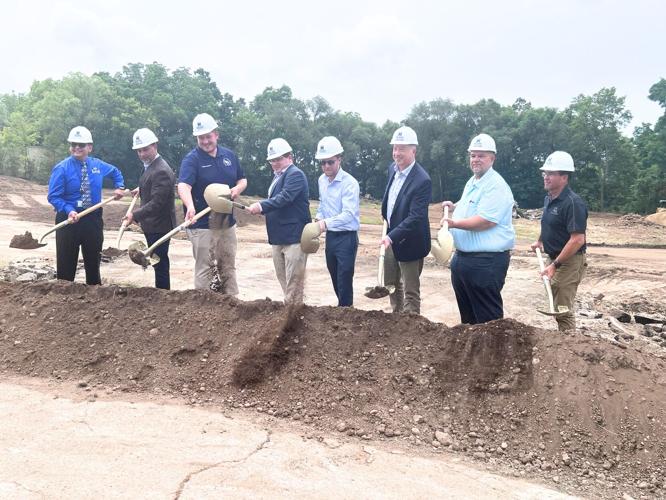
BELOIT — Work officially started Wednesday on the first large-scale affordable housing development in Beloit in about 15 years, and the process of deciding who will be able to rent those units is going to start soon as well.
On Wednesday, officials from Lutheran Social Services of Wisconsin and Upper Michigan, the Alternative Continuum of Care of Madison, the City of Beloit, Rock County and the Wisconsin Housing and Economic Development Authority gathered at the site of former Stateline Family YMCA to celebrate the beginning of the 55-unit Riverside Apartments.
The $14 million project at 1865 Riverside Drive will have 45 units set aside for families making 80% of the county median income...
...Full Story Here
Leo’s notes: Beloit’s 55-unit Riverside Apartments marks the city’s first large-scale affordable housing development in roughly 15 years, backed by unusually strong local and regional investment. While a major win, Beloit has produced far fewer homes than its housing study says are needed. Sustained partnerships and a repeatable development pipeline will be essential to meeting workforce demand.
Janesville considering an update to affordable housing fund policy to broaden how money is distributed
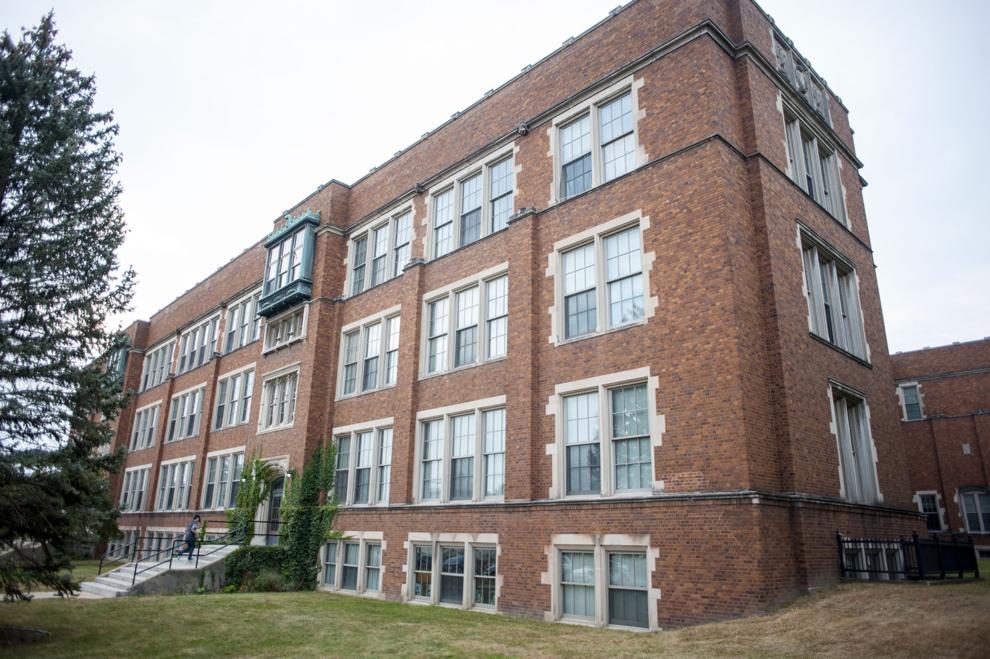
JANESVILLE — The City of Janesville is eyeing changes to its affordable housing fund policy to broaden how the city can use the money.
The changes, which the city council reviews Monday, would allow the city to support a wider range of affordable housing projects as community needs evolve.
The current policy, adopted in 2022, was designed primarily to support the development of multifamily affordable rental housing. While that remains a priority, city officials say the policy’s narrow eligibility requirements have prevented the city from using the funds for other emerging affordable housing needs.
Since the policy was adopted, the city has not received an eligible project that met existing program requirements. The funds have largely remained unavailable despite continued demand for affordable housing.
The Affordable Housing Fund was established using tax-increment financing extension funds after a tax increment district was paid off...
...Full Story Here
Leo's notes: Janesville’s proposed update to its Affordable Housing Fund reflects an important shift from one-size-fits-all incentives to more flexible tools that can respond to changing market conditions. As construction costs and financing challenges evolve, communities that adapt local funding policies will be better positioned to attract workforce housing investment and maximize the impact of public dollars—another model to watch.
Acts Housing Earns Important Federal Certification
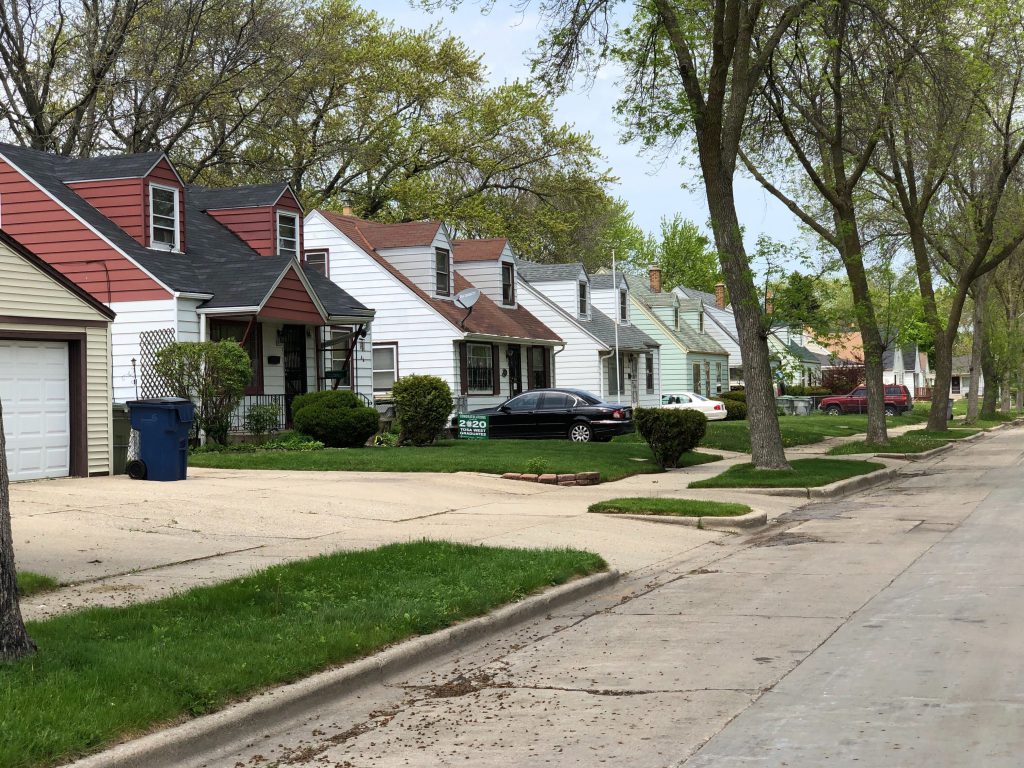 Acts Housing’s mortgage lending division has received a federal designation that could open a new source of funding for the Milwaukee-based nonprofit’s homeownership programs.
The certification makes Acts Lending eligible to apply for grants and other federal funding administered by the Treasury Department’s CDFI Fund. Acts anticipates applying during the next grant cycle, scheduled to open in spring 2027.
“This is a major milestone that allows us to continue expanding our Acts Lending division and provide more families with much needed homeownership financing,” said Acts Housing President and CEO Michael Gosman in a statement...
Leo's notes: Acts Housing's CDFI certification demonstrates how mission-driven financial institutions can bridge the gap for families who may be creditworthy but underserved by traditional lenders. Access to additional federal capital will allow the organization to finance more home purchases, rehabilitate aging housing stock, and create wealth-building opportunities for first-time homeowners. Strengthening organizations that combine lending, education, and neighborhood revitalization is an investment not only in housing, but also in long-term community stability and economic mobility.
Beloit approves $1 land sale for affordable homes

BELOIT, Wis. — The Beloit City Council approved the sale of three city-owned lots to Habitat for Humanity Waukesha–Jefferson–Rock for $1, clearing the way for new affordable housing in the city’s Hackett neighborhood.
Habitat plans to build affordable single-family homes for local families on the following properties in Beloit’s Hackett neighborhood...
..City officials said the purchase builds on Habitat Waukesha–Jefferson–Rock’s momentum since it expanded into Rock County in 2025. They said it also reflects growing partnerships among local government, funders and businesses across the county.
“This project builds on the City's long-standing commitment to revitalizing the Hackett neighborhood through strategic partnerships and targeted investment,” said City Manager Daniel Ortiz-Hernandez. “Expanding quality, affordable housing is one of Beloit's greatest opportunities, and projects like this strengthen the Hackett neighborhood, attract additional investment, and improve quality of life throughout our community.”
...Full Story Here
Leo's notes: Great to see another partnership developing more housing opportunities. The scale is modest, but the strategy is still significant: reducing land costs while investing in established neighborhoods can make workforce housing more feasible...
Gorman & Company: Gorman & Company Fordham Place Groundbreaking & Corson Square Revitalization Ceremony
 BARABOO, Wis. (July 14, 2026) – Gorman & Company joins community leaders, residents, and project partners to celebrate the Fordham Place Groundbreaking & Corson Square Revitalization Ceremony on Thursday, July 16, 2026, at 10:30 a.m., highlighting a transformative investment in affordable housing in Baraboo. Located at 920 10th Street, The event marks a significant milestone for two complementary developments that preserve existing affordable housing while expanding housing opportunities for residents.
Leo's notes: This project exemplifies one of the strongest models for addressing Wisconsin's housing shortage: pairing preservation with new construction. Too often, communities focus exclusively on building new units or maintaining existing ones, when the greatest impact comes from pursuing both simultaneously. By modernizing Corson Square while adding Fordham Place, Baraboo is protecting an existing community asset and creating additional housing for working families without waiting for future redevelopment opportunities. The project also reinforces an important lesson seen across Wisconsin—successful affordable housing increasingly depends on broad public-private partnerships that leverage state, local, and nonprofit resources...
South Milwaukee apartment project canceled after financing shortfall
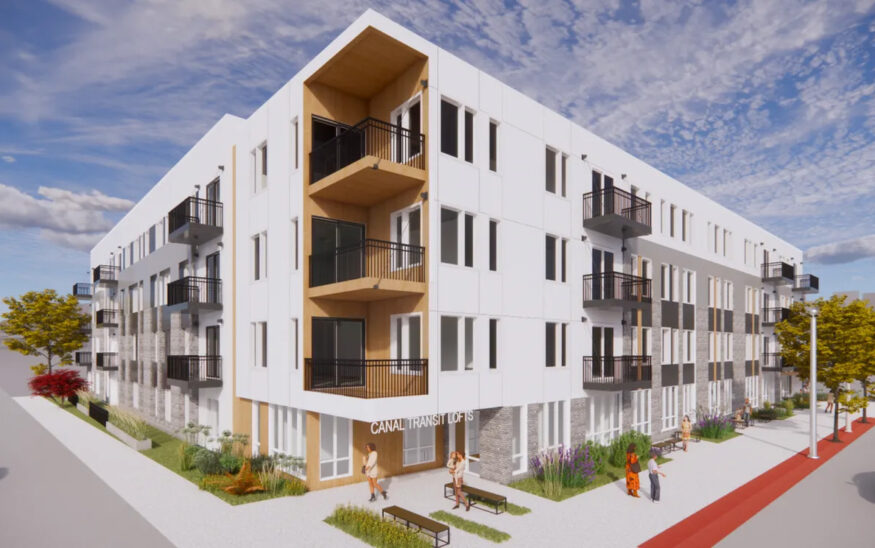 A project that could’ve brought 63 apartments and 5,000 square feet of commercial investment to a South Milwaukee property that’s been vacant for over a decade is canceled after the developer was unable to secure financing.
That’s according to South Milwaukee City Administrator Travis Wells who noted in an email to the Milwaukee Journal Sentinel that AK Development was unable to obtain financing for the Canal Transit Lofts project at 2318 10th Ave., the site of a former gas station.
The proposal included a 64,000-plus-square-foot commercial building with 63 market-rate apartments and approximately 5,000 square feet of commercial space. The South Milwaukee Common Council chose the proposal in January 2023 after the city requested proposals for the site in 2022, Wells said.
The approved development agreement required AK Development to secure financing and close on the property by June 30, 2025, Wells said. At the developer’s request, the city amended the agreement to extend the deadline to March 31, 2026, to allow more time for financing...
...Full Story HereLeo’s notes: The cancellation of South Milwaukee’s Canal Transit Lofts illustrates a growing challenge facing workforce housing: securing enough capital to move projects from approval to construction. As financing costs and funding gaps continue to reshape development economics, communities will need more flexible public-private financing tools to keep much-needed housing projects alive.
ENC (Everyone Needs a Community) moves forward on community housing vision

MARSHFIELD — After searching for a suitable location for six years, ENC Inc. (“Everyone Needs a Community”) is moving forward with plans to build an affordable housing development designed to serve seniors, autistic adults and others while fostering community engagement.
“We’ve been on this site search for six years, and we’ve had a few that fell through for various reasons,” said Kathleen Meyer, president of the nonprofit. “Once this one came up, we knew this would work well.”
The organization recently purchased approximately 20 acres of land beyond the Marshfield High School tennis courts on North Hume Avenue...
...Full Story Here
Leo's notes: Marshfield’s proposed 40-unit development broadens the workforce housing conversation by addressing seniors, autistic adults and community connection within one project. As communities plan for an aging population, preserving attainable housing for older residents can also free up existing homes for younger workers and families. It’s inspiring to see ENC expand their offerings by providing options for every stage of life...
New food innovation center breaks ground in Green Bay

GREEN BAY, Wis. (WFRV) — Southeast Green Bay is getting a brand-new food innovation center, with the team breaking ground today.
The project is a partnership between Oneida Nation and the state of Wisconsin and will serve multiple purposes: as an agricultural hub educating residents on where their food comes from, a center for housing, and a place for workforce training opportunities.
“It’s gonna be open to residents here, other community members,” said Green Bay Mayor Eric Genrich.
“Obviously we’re really excited to have the Oneida Nation as a partner in this effort, as well. And so, I think they have some plans for their members and their organization. And so, I think we’re really interested in bringing the community here to the site in addition to the residents living here.”...
Leo's notes: Green Bay’s new food innovation center brings workforce training, agricultural education and 90 workforce housing units together in one development. Integrating housing directly into workforce investments is the kind of coordinated approach communities should pursue.
Ken Notes: I love the community / village approach to housing!
Residents voice frustrations over rising housing costs at Brookview Mobile Home Park

LA CROSSE, Wis. (WKBT) — Residents at Brookview Mobile Home Park staged a show of solidarity Tuesday afternoon, gathering to address mounting financial pressures that have strained their ability to afford their homes in what was supposed to be an affordable housing community.
The scene reflected a deeper divide: while park management hosted a pizza party for residents on one side of the street, residents organized their own gathering directly across the way.
Stephanie Mikkelson, a resident at the park, expressed frustration over the lack of meaningful dialogue with upper management.
"We've asked for a sit down, meeting with the upper management. Somebody who can make decisions, who can make changes to the lease. We're all adults here. So I guess I would have rather seen us come to the table. Let's sit down. Let's talk about it. Let's hash it out. Let's make some changes. But we already know they're not going to do that," Mikkelson said.
The core issue centers on what residents describe as relentless increases in lot rents, fees, and other housing-related costs. For many residents, these escalating expenses have transformed what was once an accessible housing option into an increasingly unaffordable one...
...Full Story Here
Leo’s notes: Concerns from Brookview Mobile Home Park residents highlight the importance of preserving manufactured housing as one of Wisconsin’s largest sources of naturally affordable housing. As housing costs continue to rise, protecting existing affordable communities is just as critical as building new ones. Long-term workforce housing strategies must balance new development with preservation to maintain affordability for working families.
Ken Notes: This is happening across the nation and it is displacing many from affordable housing options. These residents need some protections legislatively to keep new owners from turning parks into extremely profitable cash cows.
Habitat for Humanity brings new approach for homeownership and building to City of Hillsboro’s Tinkers Bluff Subdivision

HILLSBORO, Wis. – Habitat for Humanity of the Greater La Crosse Region is looking for families that want to live in brand new homes on the west end of Vernon County in a picturesque subdivision in Hillsboro.
Habitat’s Executive Director Kahya Fox said four of its 10 CrossMod homes (a cross between manufactured and traditional stick-built homes) are now ready and listed for sale in the Tinker’s Bluff Subdivision. Each three bedroom, two bath home also includes a garage and covered front porch, and is available for purchase to income-qualified families.
These four homes are being sold at “market rate,” which means the household must earn at or below 120 percent of the area media income. A family of four can earn up to $115,200 per year, Fox said.
Downpayment assistance and a Habitat reduced interest rate mortgage may be an option for those households under 80 percent, she added, but that limits earnings to $76,800 per year for a family of four...
...Full Story Here
Leo's notes: Habitat for Humanity’s approach in Hillsboro demonstrates how innovative construction methods can expand homeownership opportunities in rural communities. By combining factory-built homes with Habitat’s affordable ownership model, the organization is reducing costs while accelerating production for working families. Creative building strategies will play an increasingly important role in closing Wisconsin’s workforce housing gap—a model to watch.
Ken Notes: I believe we could work with stick builders and manufactured home builders to adopt some of the habitat design and working with families using new TIF statutes to create some very special neighborhoods especially in rural Wisconsin.
About Wisconsin Workforce Housing News (WWHNews.com)
Across Wisconsin many employees can simply not afford to live where they work. This is true in big cities and small rural communities. Both the availability and price of housing is not in line with the needs of those working in jobs that are vital to the success of our communities. Imagine a firefighter, teacher, city employee, service, or retail worker not able to afford a home in the community they serve.
List of Housing Resources
WRA Wisconsin Housing Statistics (Thanks Jon!)
State of Wisconsin Department of Administration Neighborhood Investment Fund (NIF) Program
ENABLING BETTER PLACES: A USER’S GUIDE TO WISCONSIN NEIGHBORHOOD AFFORDABILITY
WHEDA’s Rural Affordable Workforce Housing Initiative
Wisconsin REALTORS® Association
WISCAP Affordable Housing Network
Division of Energy, Housing and Community Resources
Housing Authority City of Milwaukee (HACM)
Wisconsin Housing Preservation Corp
WEDA Legislative Tracker
NRA Housing Needs By State / Wisconsin
DANE WORKFORCE HOUSING FUND
Dane County Regional Housing Strategy (RHS)
A Housing Hurdle: Demographics Drive Need for More Homes
Wisconsin Homeowners Alliance
WRA’s “Falling Behind” report
Social Development Commission - Pathway to success
COMMUNITY DEVELOPMENT ALLIANCE
Middleton Workforce Housing Committe
Milwaukee’s Collective Affordable Housing Strategic Plan
Workforce Housing Initiative For Wisconsin
2020 Symposia Series on Workforce Housing
Wisconsin Homeowners Alliance.org/resources/
City of Milwaukee Affordability Report
WHEDA Qualified Allocation Plan
10-Year Plan to End Homelessness
City of Milwaukee Consolidated Plan
Wisconsin Consolidated Plan
SEWRPC Regional Housing Plan
Wisconsin Policy Forum Reports
Blueprint for a Renters Bill of Rights
White House Fact Sheet on Rental Affordability
Community Economic Development / Division of Extension
Oshkosh Kids Foundation Tiny House Village